#hybrid – Barcelona, London
Clarivate™ is a global leader in providing solutions to accelerate the lifecycle of innovation. Our bold mission is to help customers solve some of the world’s most complex problems by providing actionable information and insights that reduce the time from new ideas to life-changing inventions in the areas of science and intellectual property.
We are looking for a Search Engineer to join our Patent Search & Data Engineering Team in Barcelona or London. This organization enables corporations, law firms, and government patent and trademark offices to carry out high-confidence patent searches and watch activities.
This portfolio is part of Clarivate’s Patent Intelligence, Search, and Analytics group supporting our customers in developing, protecting, and investing in their intellectual property (IP) and R&D.
About You – experience, education, skills, and accomplishments
3+ years of experience with search and server-side development. 2+ years of data analytical experience with large volume data processing and data modeling in a distributed environment. Search Engine experiences with ElasticSearch/OpenSearch/Lucene and/or Vespa preferred. Proficient in programming languages (any): Java, C, Python, and other Scripting languages. Data analytical capability with structured and unstructured data. Experienced with enterprise data processing and data modeling, familiar with common tools and technologies. Familiar with SDLC and advanced testing methodologies; implement high quality code in an agile software development environment. Excellent communication and documentation skills in English.
It would be great if you also had...
Bachelor's degree in computer science or relevant disciplines. Master’s degree preferred. Experienced with cloud technologies (AWS preferred). Domain knowledge with Patent content and searches. Data Science training and knowledge with vector space models, text classification and categorization a big plus.
What will you be doing in this role?
Design and implementation of enterprise search applications and infrastructure. Works in collaboration with Data Scientists to constantly optimize search algorithms and performance. Explores existing data for insights and recommends additional sources of data for improvements.
About the Team
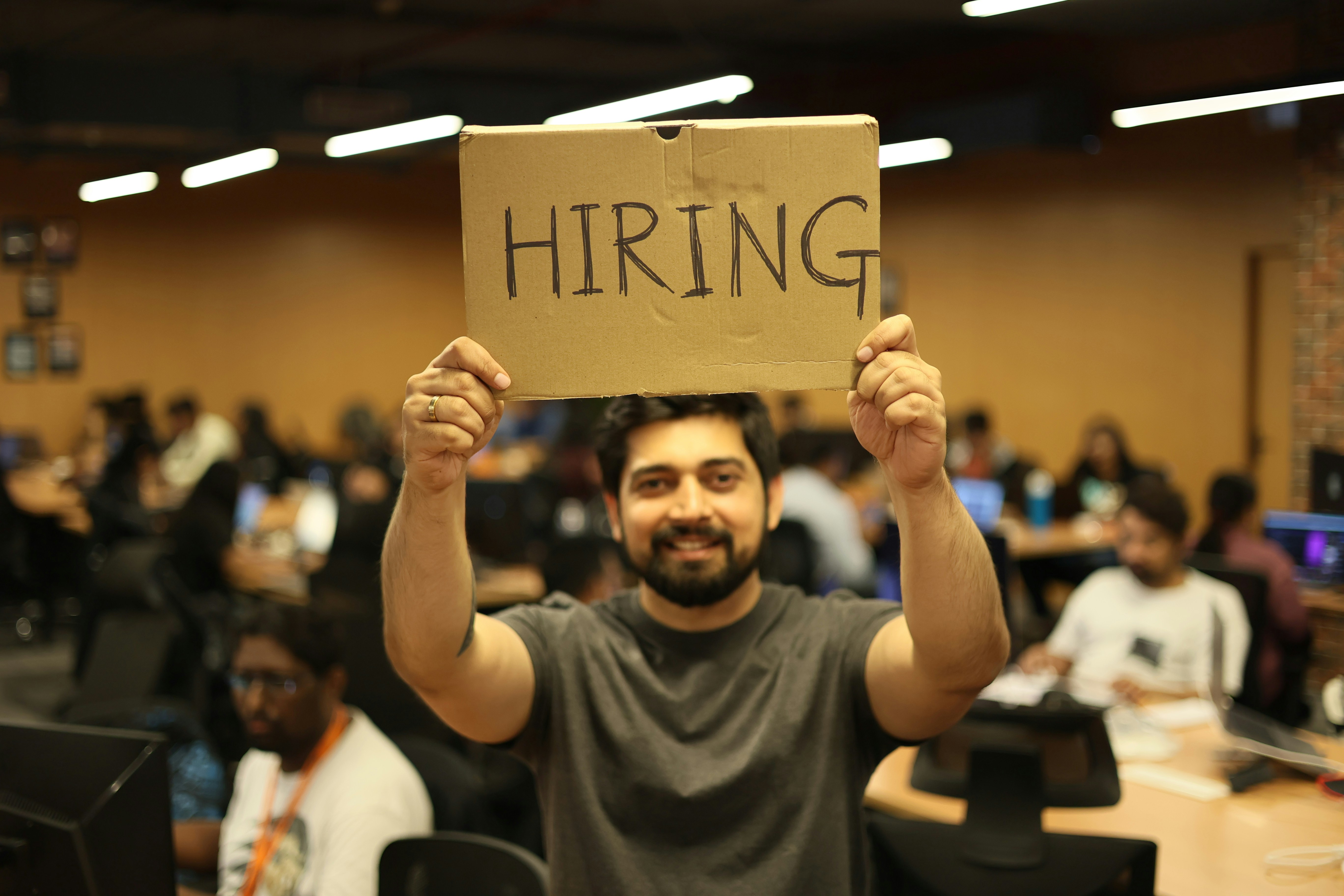
Team has two people based in the US (including the Hiring Manager) and is looking to hire two Search Engineers to be based in Barcelona or London. The team belongs to a larger organization within the Patent Search & Data Engineering space.
Hours of Work
This is a permanent full-time position, hybrid in Barcelona.
What we can offer you:
A start up culture/working environment combined with all the financial and stability advantages of working for a publicly traded company. An opportunity to have a real impact on the global Life Sciences industry. 30 working days of vacation Volunteering community, with 40 paid hours of volunteering time Private Health and Life & Disability insurances. Tax-free benefits (Ticket Restaurant scheme, kindergarten, and transport cards)
At Clarivate, we are committed to providing equal employment opportunities for all persons with respect to hiring, compensation, promotion, training, and other terms, conditions, and privileges of employment. We comply with applicable laws and regulations governing non-discrimination in all locations.