

Simulator Software Engineer & Operator

The Mercedes AMG-PETRONAS Formula One Team
Brackley
1 year ago
Applications closed

Related Jobs

View all jobs

Senior Simulation Engineer (Data Science)

Senior Data Scientist

Data Scientist - Measurement Specialist

Lead/Senior Data Scientist - Ad Tech Locational Data

Lead/Senior Data Scientist - Ad Tech Locational Data

Data Scientist - MRO AI Solutions

At the Mercedes-AMG Petronas Formula One Team, a group of passionate and determined people work to design, develop, manufacture and race the cars with the aim of fighting for world championships each and every year.Whether working in our Operations, Technical, Race or Business Support functions, we are all in and aspire to build the greatest team in the history of our sport.Every individual plays their part. No stone is left unturned in the chase for every tenth of a second. The history of our sport is long and rich and we are continuing our journey with renewed effort year on year. Record books remember the names of a few, but history is written by the many.An exciting new opportunity has arisen within the Vehicle Customer Performance Group.What youll be doing:Support and contribute to the development of the Simulator, improving software and modelling processes to maximise efficiency, quality and robustness of the facility. Liaising directly with the software group will be an essential part of the role.Carry out hardware and software updates, ensuring that the Simulator is an accurate representation of the physical car.Operate the Formula One Driver In the Loop Simulator, supporting the Engineering teams to ensure the Simulator test programme is adhered to and completed.Ensure health and safety procedures are followed at all times.What were looking for:Essential:Strong academic and practical background with a Computer Science or Engineering Degree or equivalent (2:1 minimum grade).Proficiency with Matlab and Python (including scientific and computing packages; NumPy, SciPy) is essentialFamiliarity and understanding of highly integrated systems.High level of computer literacy and willingness to learn new computing programs.Motivated and conscientious individual, prepared to take on growing responsibility.Ability to work independently or within a team whilst adhering to strict deadlines.Flexibility with respect to working hours and comfortable with a changeable schedule.Desirable:Professional experience using System Monitor and ATLAS would be of benefit.Experience with Machine Learning software tools or with Multibody Dynamics packages.What do we offer:Our riverside campus is powered by 100% renewably sourced energy and features an on-site gym and exercise studio, subsidised restaurant and on-site parking with EV chargers available.We offer a competitive and attractive package of benefits including a generous bonus scheme, Mercedes car lease scheme, private medical cover, life assurance and 25 days holiday. We pride ourselves on our family-friendly environment and our employee well-being programme.Why us:At the heart of our performance are our people. Every member of our team has a voice and plays their part in contributing to our successes on and off the racetrack. We take pride in creating an innovative, collaborative and high-performance culture where all of our team members are respected, empowered and valued.Through our Accelerate 25 programme, we are continuously working to make our team even more diverse and inclusive. Whatever your background, we believe that you will find working with us rewarding and enriching.Your application:We will ask you to complete a questionnaire as well as submitting a cover letter and CV. Please note if you would like to include a cover letter, please upload it with your CV as one PDF document.

Subscribe to Future Tech Insights for the latest jobs & insights, direct to your inbox.

By subscribing, you agree to our privacy policy and terms of service.

Industry Insights

Discover insightful articles, industry insights, expert tips, and curated resources.

How Many AI Tools Do You Need to Know to Get an AI Job?

If you are job hunting in AI right now it can feel like you are drowning in tools. Every week there is a new framework, a new “must-learn” platform or a new productivity app that everyone on LinkedIn seems to be using. The result is predictable: job seekers panic-learn a long list of tools without actually getting better at delivering outcomes. Here is the truth most hiring managers will quietly agree with. They do not hire you because you know 27 tools. They hire you because you can solve a problem, communicate trade-offs, ship something reliable and improve it with feedback. Tools matter, but only in service of outcomes. So how many AI tools do you actually need to know? For most AI job seekers: fewer than you think. You need a tight core toolkit plus a role-specific layer. Everything else is optional. This guide breaks it down clearly, gives you a simple framework to choose what to learn and shows you how to present your toolset on your CV, portfolio and interviews.
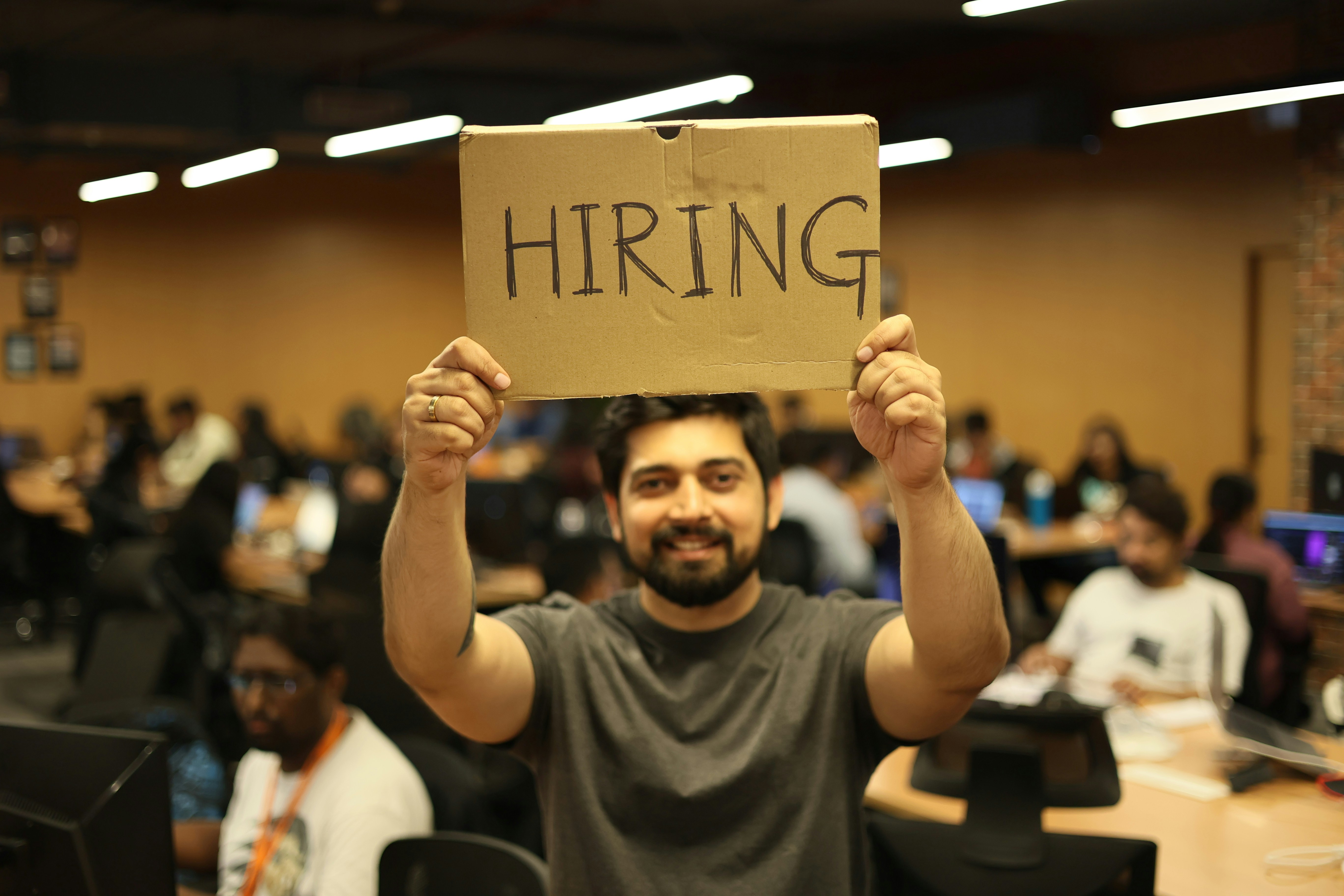

What Hiring Managers Look for First in AI Job Applications (UK Guide)

Hiring managers do not start by reading your CV line-by-line. They scan for signals. In AI roles especially, they are looking for proof that you can ship, learn fast, communicate clearly & work safely with data and systems. The best applications make those signals obvious in the first 10–20 seconds. This guide breaks down what hiring managers typically look for first in AI applications in the UK market, how to present it on your CV, LinkedIn & portfolio, and the most common reasons strong candidates get overlooked. Use it as a checklist to tighten your application before you click apply.

The Skills Gap in AI Jobs: What Universities Aren’t Teaching

Artificial intelligence is no longer a future concept. It is already reshaping how businesses operate, how decisions are made, and how entire industries compete. From finance and healthcare to retail, manufacturing, defence, and climate science, AI is embedded in critical systems across the UK economy. Yet despite unprecedented demand for AI talent, employers continue to report severe recruitment challenges. Vacancies remain open for months. Salaries rise year on year. Candidates with impressive academic credentials often fail technical interviews. At the heart of this disconnect lies a growing and uncomfortable truth: Universities are not fully preparing graduates for real-world AI jobs. This article explores the AI skills gap in depth—what is missing from many university programmes, why the gap persists, what employers actually want, and how jobseekers can bridge the divide to build a successful career in artificial intelligence.