
Related Jobs
View all jobsSenior Data Scientist
Senior Scientist - Data Science for Simulation
Senior Data Scientist Research Engineer
Senior Data Scientist Research Engineer
Senior Data Scientist Research Engineer
Subscribe to Future Tech Insights for the latest jobs & insights, direct to your inbox.
Industry Insights
Discover insightful articles, industry insights, expert tips, and curated resources.

How to Write an AI Job Ad That Attracts the Right People
Artificial intelligence is now embedded across almost every sector of the UK economy. From fintech and healthcare to retail, defence and climate tech, organisations are competing for AI talent at an unprecedented pace. Yet despite the volume of AI job adverts online, many employers struggle to attract the right candidates. Roles are flooded with unsuitable applications, while highly capable AI professionals scroll past adverts that feel vague, inflated or disconnected from reality. In most cases, the issue isn’t a shortage of AI talent — it’s the quality of the job advert. Writing an effective AI job ad requires more care than traditional tech hiring. AI professionals are analytical, sceptical of hype and highly selective about where they apply. A poorly written advert doesn’t just fail to convert — it actively damages your credibility. This guide explains how to write an AI job ad that attracts the right people, filters out mismatches and positions your organisation as a serious employer in the AI space.
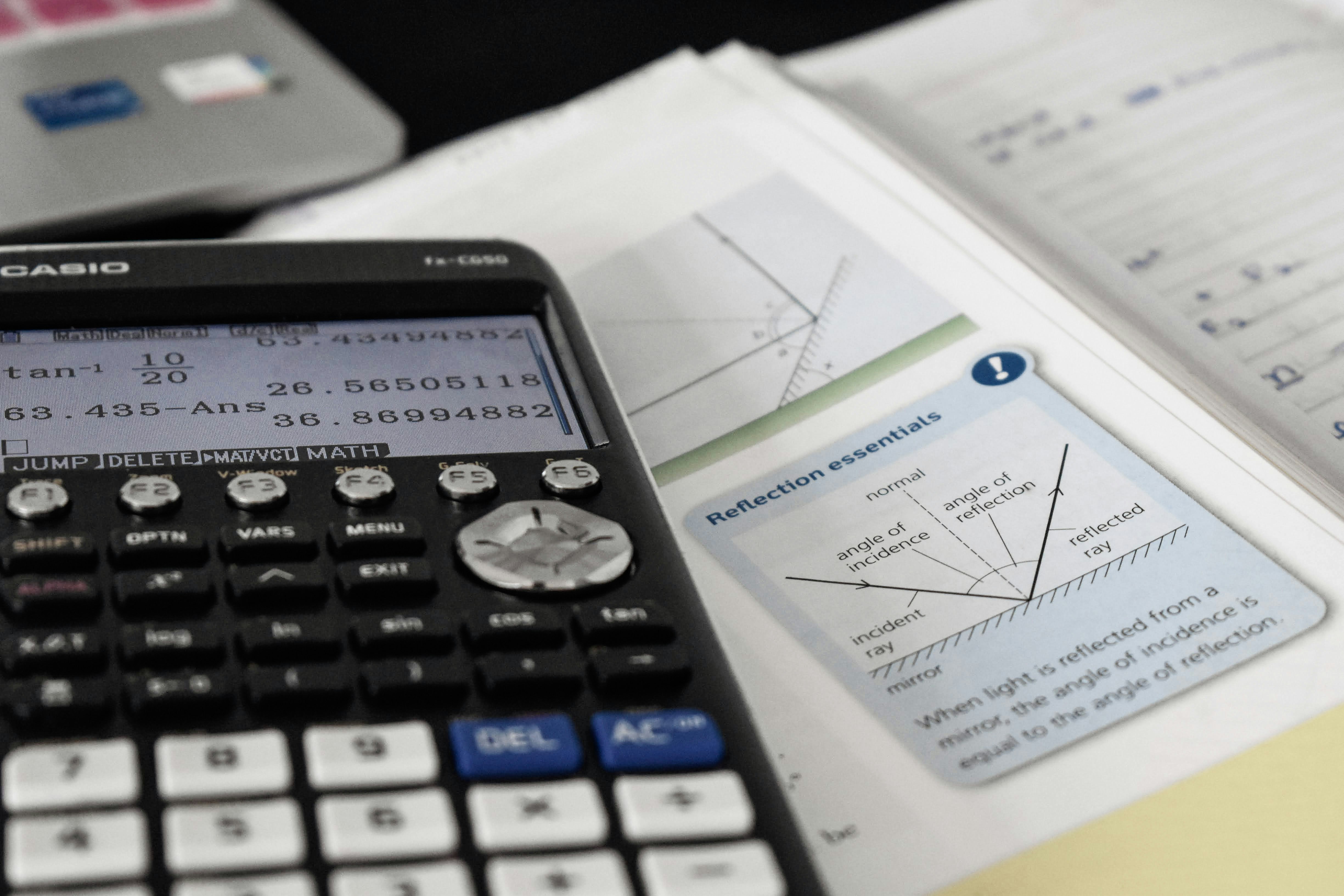
Maths for AI Jobs: The Only Topics You Actually Need (& How to Learn Them)
If you are a software engineer, data scientist or analyst looking to move into AI or you are a UK undergraduate or postgraduate in computer science, maths, engineering or a related subject applying for AI roles, the maths can feel like the biggest barrier. Job descriptions say “strong maths” or “solid fundamentals” but rarely spell out what that means day to day. The good news is you do not need a full maths degree worth of theory to start applying. For most UK roles like Machine Learning Engineer, AI Engineer, Data Scientist, Applied Scientist, NLP Engineer or Computer Vision Engineer, the maths you actually use again & again is concentrated in a handful of topics: Linear algebra essentials Probability & statistics for uncertainty & evaluation Calculus essentials for gradients & backprop Optimisation basics for training & tuning A small amount of discrete maths for practical reasoning This guide turns vague requirements into a clear checklist, a 6-week learning plan & portfolio projects that prove you can translate maths into working code.

Neurodiversity in AI Careers: Turning Different Thinking into a Superpower
The AI industry moves quickly, breaks rules & rewards people who see the world differently. That makes it a natural home for many neurodivergent people – including those with ADHD, autism & dyslexia. If you’re neurodivergent & considering a career in artificial intelligence, you might have been told your brain is “too much”, “too scattered” or “too different” for a technical field. In reality, many of the strengths that come with ADHD, autism & dyslexia map beautifully onto AI work – from spotting patterns in data to creative problem-solving & deep focus. This guide is written for AI job seekers in the UK. We’ll explore: What neurodiversity means in an AI context How ADHD, autism & dyslexia strengths match specific AI roles Practical workplace adjustments you can ask for under UK law How to talk about your neurodivergence during applications & interviews By the end, you’ll have a clearer picture of where you might thrive in AI – & how to set yourself up for success.