
Related Jobs
View all jobsMachine Learning Engineer
Machine Learning Engineer (Manager)
Staff Machine Learning Engineer
Machine Learning Engineer (Manager)
Machine Learning Engineer
Subscribe to Future Tech Insights for the latest jobs & insights, direct to your inbox.
Industry Insights
Discover insightful articles, industry insights, expert tips, and curated resources.
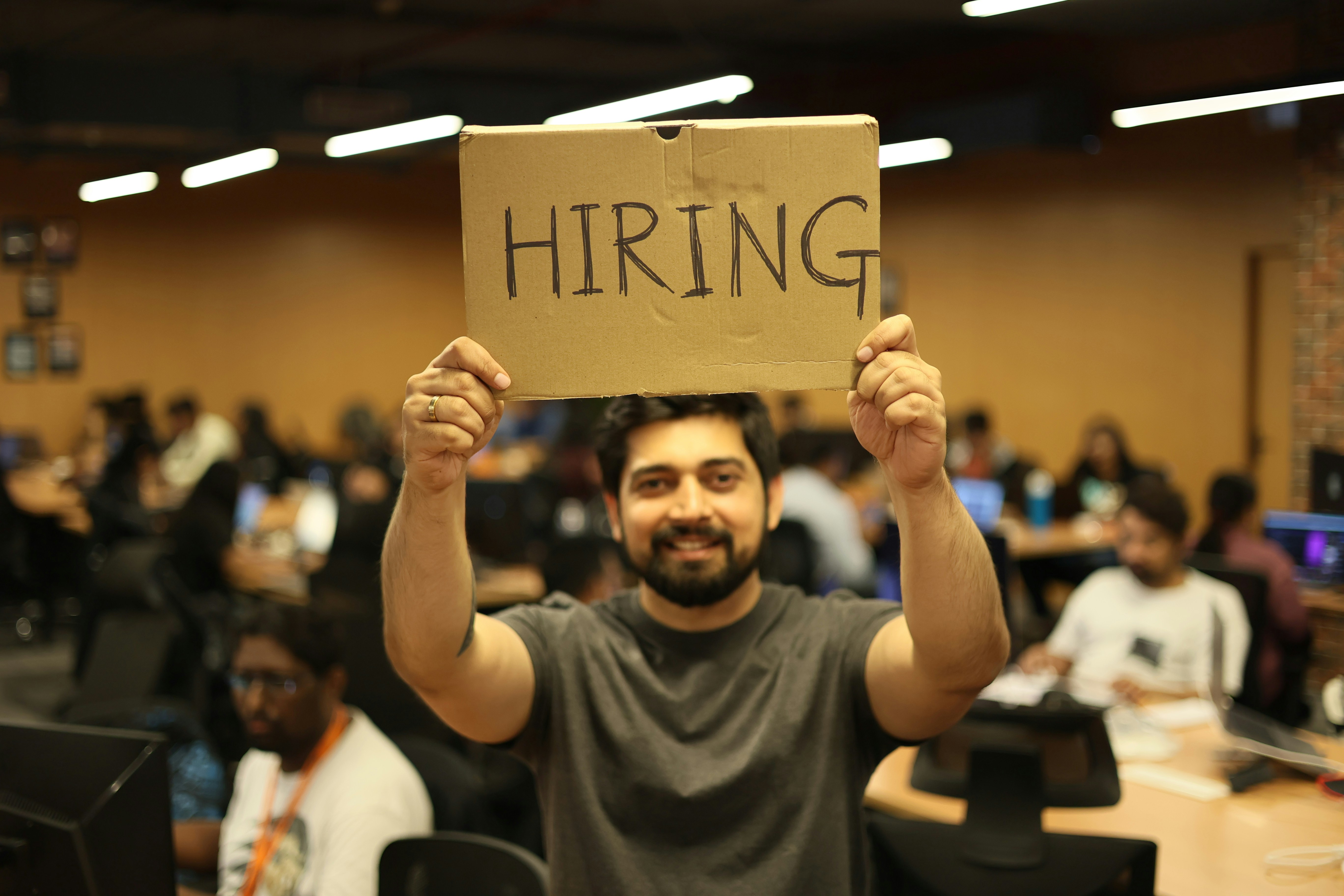
What Hiring Managers Look for First in AI Job Applications (UK Guide)
Hiring managers do not start by reading your CV line-by-line. They scan for signals. In AI roles especially, they are looking for proof that you can ship, learn fast, communicate clearly & work safely with data and systems. The best applications make those signals obvious in the first 10–20 seconds. This guide breaks down what hiring managers typically look for first in AI applications in the UK market, how to present it on your CV, LinkedIn & portfolio, and the most common reasons strong candidates get overlooked. Use it as a checklist to tighten your application before you click apply.

The Skills Gap in AI Jobs: What Universities Aren’t Teaching
Artificial intelligence is no longer a future concept. It is already reshaping how businesses operate, how decisions are made, and how entire industries compete. From finance and healthcare to retail, manufacturing, defence, and climate science, AI is embedded in critical systems across the UK economy. Yet despite unprecedented demand for AI talent, employers continue to report severe recruitment challenges. Vacancies remain open for months. Salaries rise year on year. Candidates with impressive academic credentials often fail technical interviews. At the heart of this disconnect lies a growing and uncomfortable truth: Universities are not fully preparing graduates for real-world AI jobs. This article explores the AI skills gap in depth—what is missing from many university programmes, why the gap persists, what employers actually want, and how jobseekers can bridge the divide to build a successful career in artificial intelligence.

AI Jobs for Career Switchers in Their 30s, 40s & 50s (UK Reality Check)
Changing career into artificial intelligence in your 30s, 40s or 50s is no longer unusual in the UK. It is happening quietly every day across fintech, healthcare, retail, manufacturing, government & professional services. But it is also surrounded by hype, fear & misinformation. This article is a realistic, UK-specific guide for career switchers who want the truth about AI jobs: what roles genuinely exist, what skills employers actually hire for, how long retraining really takes & whether age is a barrier (spoiler: not in the way people think). If you are considering a move into AI but want facts rather than Silicon Valley fantasy, this is for you.