
PhD Studentship: Machine Learning approaches to improve the efficiency of fluid dynamics simulations

University of Birmingham
Birmingham
2 days ago
Create job alert

This fully funded PhD opportunity sits at the cutting edge of computational modelling, artificial intelligence, and national-priority Defence research. Hosted at the University of Birmingham and funded through a UK Defence programme, the project tackles one of the most important challenges in modern engineering: how to dramatically accelerate high-fidelity computational fluid dynamics (CFD) simulations using machine learning.


CFD is a cornerstone of engineering across energy, aerospace, automotive, chemicals, and Defence, but its computational cost can be prohibitive. Many realistic simulations take weeks or even months to run, making detailed sensitivity analysis, uncertainty quantification, and rapid design exploration effectively impossible. This project aims to change that. By integrating state-of-the-art AI and machine-learning techniques with established CFD solvers, the student will help develop new approaches that markedly reduce simulation times while retaining physical accuracy and trustworthiness.


The initial application focuses on complex, high-speed gas-flow problems, but the tools and methods developed will be broadly transferable across sectors and disciplines. The core ambition is to create AI-accelerated simulation pipelines that allow engineers and scientists to explore design space, risk, and uncertainty in ways that are simply not feasible today.


A defining feature of this PhD is the level of support and training provided. You will be part of a large, supportive, and highly interdisciplinary research team spanning engineering, applied mathematics, computer science, and data science. While prior expertise in the areas of AI and/or CFD is beneficial, it is not expected. Instead, the project is designed to actively support the student in developing powerful, in-demand skills in CFD, numerical modelling, machine learning, and scientific programming. You will gain hands-on experience with industry-standard tools (such as OpenFOAM), alongside unique modelling and AI frameworks developed at the University of Birmingham and used in high-impact academic and industrial research.


The training provided will provide a valuable foundation for your future career - advanced modelling and AI skills are now foundational across engineering, technology, and data-driven industries. Graduates with deep expertise in simulation-accelerated AI are exceptionally well positioned for careers in Defence, aerospace, energy, advanced manufacturing, software, finance, and beyond, whether in industry, national laboratories, start-ups, or academia.


If you are excited by combining physics, computation, and AI to solve real-world problems of national importance, and want to graduate with a skillset that will remain valuable for decades, this project offers a rare and powerful opportunity.


Funding notes

The successful candidate will receive a full EPSRC stipend, plus an additional £5k top-up from the industrial sponsor, equating to a tax-free annual income of £25k. All fees for the PhD will also be covered by the sponsor, with additional funding to support travel and other expenses.


For more information please contact Prof. Kit Windows-Yule at


#J-18808-Ljbffr

Related Jobs

View all jobs

Machine Learning Researcher Statistics Python AI

Data Scientist Intern (PhD level)

Data Scientist Intern (PhD level)

2026 Summer Internship, Machine Learning Engineering - PhD (London)

Applied AI Data Scientist — Real-World Delivery (Cambridge)

Senior RF Data Scientist - Applied AI & DSP (Onsite)

Subscribe to Future Tech Insights for the latest jobs & insights, direct to your inbox.

By subscribing, you agree to our privacy policy and terms of service.

Industry Insights

Discover insightful articles, industry insights, expert tips, and curated resources.
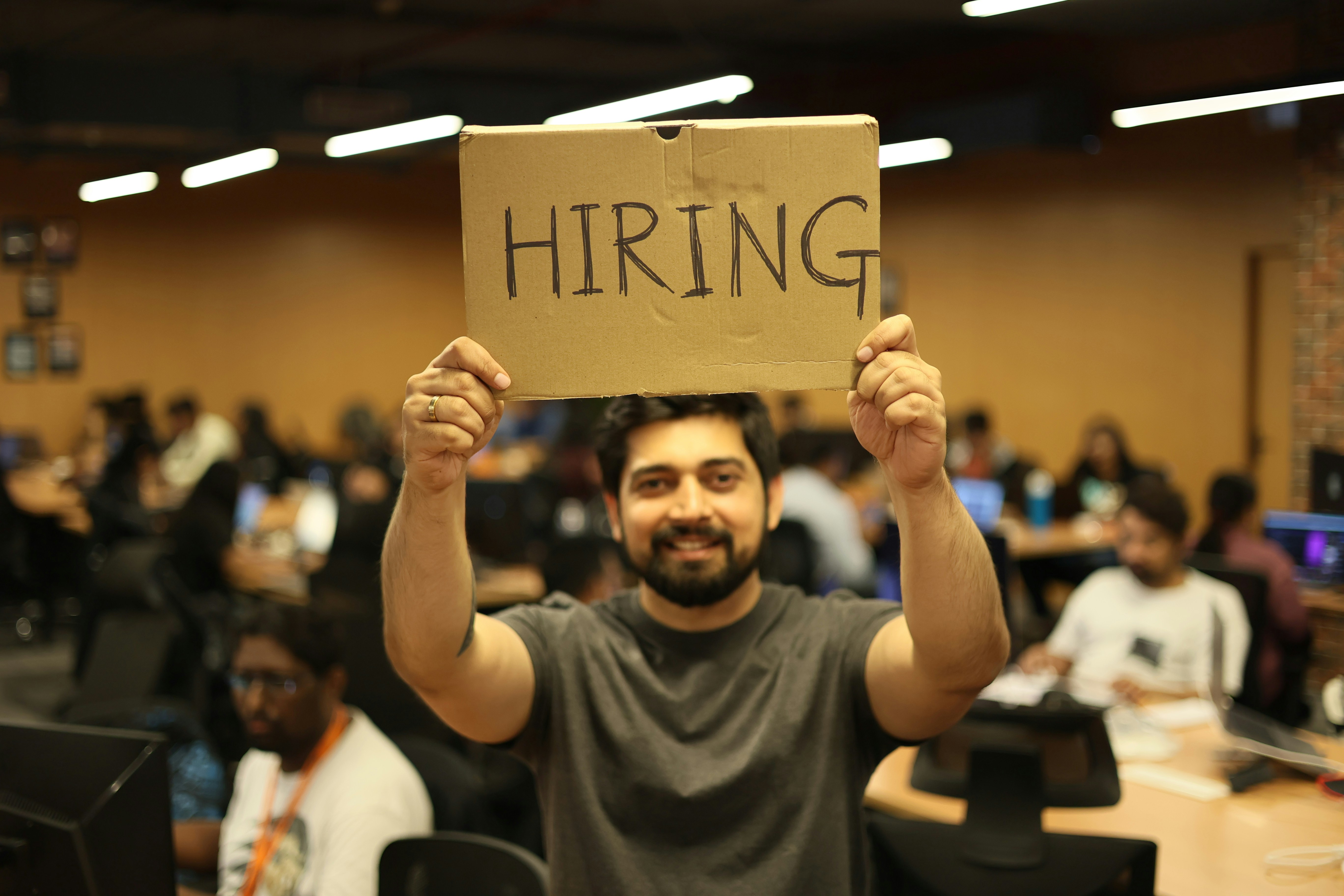
What Hiring Managers Look for First in AI Job Applications (UK Guide)

Hiring managers do not start by reading your CV line-by-line. They scan for signals. In AI roles especially, they are looking for proof that you can ship, learn fast, communicate clearly & work safely with data and systems. The best applications make those signals obvious in the first 10–20 seconds. This guide breaks down what hiring managers typically look for first in AI applications in the UK market, how to present it on your CV, LinkedIn & portfolio, and the most common reasons strong candidates get overlooked. Use it as a checklist to tighten your application before you click apply.

The Skills Gap in AI Jobs: What Universities Aren’t Teaching

Artificial intelligence is no longer a future concept. It is already reshaping how businesses operate, how decisions are made, and how entire industries compete. From finance and healthcare to retail, manufacturing, defence, and climate science, AI is embedded in critical systems across the UK economy. Yet despite unprecedented demand for AI talent, employers continue to report severe recruitment challenges. Vacancies remain open for months. Salaries rise year on year. Candidates with impressive academic credentials often fail technical interviews. At the heart of this disconnect lies a growing and uncomfortable truth: Universities are not fully preparing graduates for real-world AI jobs. This article explores the AI skills gap in depth—what is missing from many university programmes, why the gap persists, what employers actually want, and how jobseekers can bridge the divide to build a successful career in artificial intelligence.

AI Jobs for Career Switchers in Their 30s, 40s & 50s (UK Reality Check)

Changing career into artificial intelligence in your 30s, 40s or 50s is no longer unusual in the UK. It is happening quietly every day across fintech, healthcare, retail, manufacturing, government & professional services. But it is also surrounded by hype, fear & misinformation. This article is a realistic, UK-specific guide for career switchers who want the truth about AI jobs: what roles genuinely exist, what skills employers actually hire for, how long retraining really takes & whether age is a barrier (spoiler: not in the way people think). If you are considering a move into AI but want facts rather than Silicon Valley fantasy, this is for you.