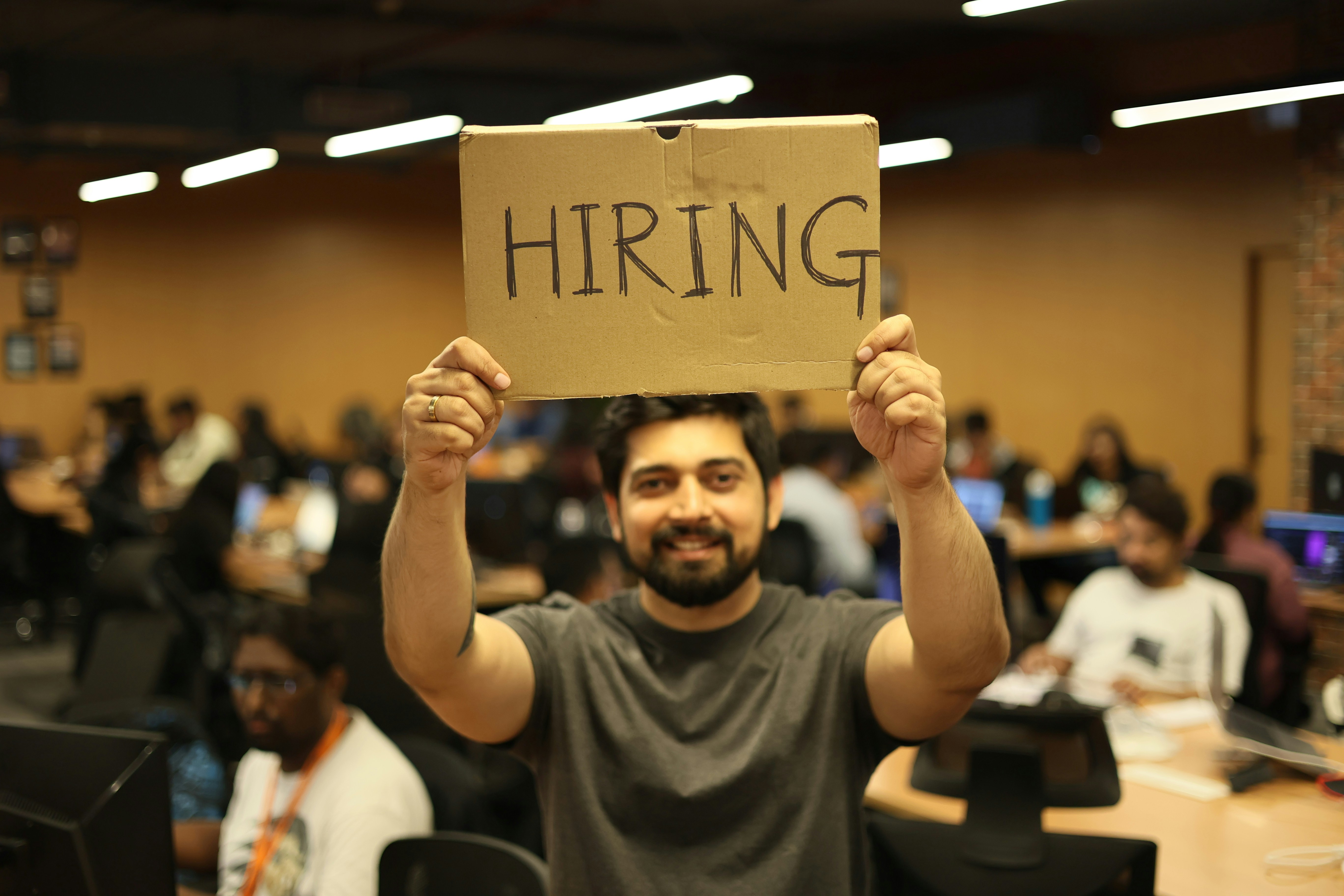
THE ROLE:At Fit Collective, we’re on a mission to revolutionize how our customers experience fit insights in the fashion industry. We’re looking for a passionate Data Engineer to take the helm in our growing team. If you thrive in a collaborative environment and are excited to lead complex projects while tackling innovative challenges, we want to hear from you!THE PRODUCT:Fit Collective’s product is advanced analytics using AI and machine learning with a low code front end. In the next 12 months, we will be building our shopify app that automates website updates based on manufacturing data.We currently use the following - experience working with these is preferred: OpenAI, Docker, AWS Fargate, Airbyte, Python, Scikit-learn, AWS S3, AWS RDS, DuckDB, PostgreSQL.What You’ll Do:Establish and maintain reliable data pipelines: Building and maintaining pipelines for data ingestion from various sources, ensuring data is cleaned, transformed, and ready for use. Mapping data from different schemas into a consistent structure.Collaborate Across Teams: Work closely with BI analysts, product managers, and designers to define and refine product requirements, ensuring seamless integration and functionality.Optimize Performance: Identify and fix bottlenecks to ensure high performance and responsiveness of applications, driving quality and efficiency across the board.Implement Best Practices: Champion coding, testing, and deployment best practices to ensure high-quality deliverables.Shape Our Architecture: Contribute to architectural decisions by making informed choices about technology and design patterns that align with our goals.What We’re Looking For:Self Starter: If you are a motivated self starter, who is confident working independently and excited to build and lead the engineering side of a startup, this role is for you!Start-Up or Side Hustle Experience: Demonstrated ability to build products or services from the ground up, showcasing innovative problem-solving skills and an entrepreneurial mindset.Experience: A minimum of 5 years of experience in back-end development, with some experience in a leadership role, ideally in a SaaS environment, plus excellent communication skills.AI first: Using and up to date with cutting edge AI to stay at the forefront of engineering efficiency, prototyping and product developmentTechnical Skills: Proficiency in Python, preferably experience with the other elements of our tech stack (see production section above)Database Knowledge: Strong understanding of database technologies such as PostgreSQL, MySQL, or MongoDB, with the ability to design and optimize queries.API Development: Experience building and consuming RESTful APIs, with a solid understanding of API design principles.Cloud Experience: Familiarity with cloud platforms (AWS is ideal) and a strong grasp of CI/CD practices.Problem-Solving Mindset: A knack for identifying problems and crafting effective solutions that balance technical and business considerations.Team Player: Excellent communication skills, with the ability to work collaboratively across various teams and contribute positively to our team culture.Passion for Learning: A desire to stay updated with the latest industry trends and technologies, eager to bring fresh ideas to the table.Overview:Location: UK-based individualWork Style: Hybrid (2-3 days per week in the office in London)Employment Type: Full-TimeSalary: £70K/year depending on experienceEquity via employee share option schemeWhy Fit Collective?We’re not just looking for a Data Engineer; we’re looking for someone who is excited to make a difference. Join us in creating a friendly, innovative, and high-performing culture where your contributions will have a real impact on our mission and our customers.If you’re ready to dive into an exciting role where your skills will shine and grow, we can’t wait to meet you!About Us:In a trillion-dollar industry where the fit of clothing makes or breaks every sale, we stand out by addressing the root cause of the problem—variance pre-production. Poor fit, responsible for 70% of returns and putting almost a trillion dollars of revenue at risk, generates 4 billion pounds of textile waste annually and contributes to 10% of global carbon emissions.At Fit Collective, we prevent poor fit at the source, before an item is even made. Our unique insight into the fashion supply chain enables us to use machine learning and generative AI to simulate, predict, and ultimately prevent bad fits from being created.Changing fit from human subjectivity to data-backed science, we increase conversion, create loyal customers, reduce returns, and significantly lower waste. By tackling these inefficiencies, we empower the fashion industry to cut emissions and textile waste, driving real progress toward sustainability.We are building the Fit Operating System for tomorrow's fashion supply chain. Journey with us as we fix fit, ensure happier customers, enhance sales, and transform fashion into a sustainable and efficient industry. Let’s reshape the future of fashion together.